
Hidden Air Quality Risks in Packed Conference Rooms
Conference rooms are essential for collaboration, but packed, poorly ventilated rooms pose hidden indoor air quality risks. High CO2 levels, VOC buildup, and airborne pathogens can reduce cognitive performance, productivity, and comfort.
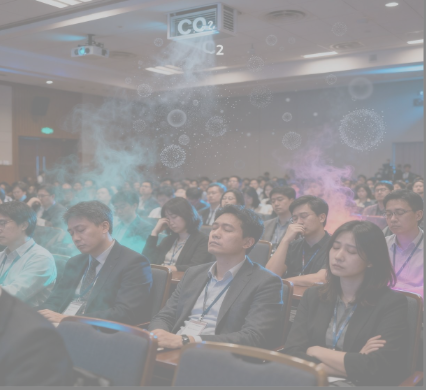
AI-generated illustration of indoor air quality risks in conference rooms.
Why Air Quality Matters in Meetings?
Crowded rooms quickly accumulate carbon dioxide (CO2) from respiration and VOCs from furniture, cleaning products, and office equipment. Limited ventilation allows pollutants to linger, impacting concentration, decision-making, and overall meeting effectiveness.
Key Risks
- High CO2 Levels: Indoor CO2 can exceed 1000–2500 ppm, causing fatigue, mental fog, and slower reaction times.
- VOCs: Chemicals like formaldehyde, benzene, and toluene irritate eyes, nose, throat, and may cause long-term respiratory issues.
- Airborne Pathogens: Poor airflow increases the risk of virus and bacteria transmission in crowded spaces.
Symptoms of Poor Conference Room Air
- Drowsiness and fatigue
- Headaches and dizziness
- Eye, nose, and throat irritation
- Reduced concentration and mental clarity
- Higher susceptibility to respiratory infections
Practical Solutions ️
- Enhance Ventilation: Open windows or optimize HVAC with CO2-controlled airflow.
- Air Filtration: Use HEPA or MERV-13 filters to remove pollutants and pathogens.
- Air Quality Monitoring: Install real-time sensors for CO2, humidity, and particulate matter.
- Limit Occupancy: Reduce crowding to prevent pollutant buildup.
- Low-Emission Materials: Choose furniture, paints, and cleaning products with minimal VOCs.
- HVAC Maintenance: Regularly service ventilation systems for optimal air exchange.
Business Benefits of Healthy Air
Better air quality boosts cognitive performance, creativity, and decision-making while reducing absenteeism. Healthy conference rooms enhance meeting outcomes and foster a productive workforce.
Conclusion
Packed conference rooms can hide serious air quality hazards that affect health and productivity. By improving ventilation, using air filtration, monitoring CO2, and reducing VOC sources, organizations can ensure safer, healthier, and more effective meeting spaces.

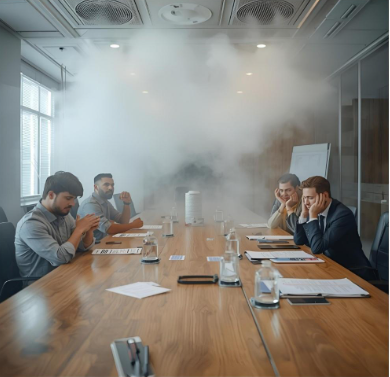
AI-generated illustration of improved conference room air quality.
References Websites 🔗
GetAwair: High CO2 in Conference Rooms
BBC Worklife: Hidden Air Pollution in Offices
PMC Article on Indoor Air Quality