
How Home Ventilation Improves Indoor Air Quality?
Proper home ventilation is essential for healthy indoor air quality (IAQ), reducing pollutants, controlling humidity, and ensuring fresh oxygen. Good ventilation protects respiratory health, improves comfort, and enhances overall well-being.
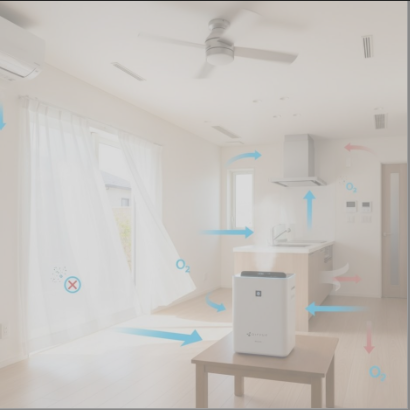
AI-generated illustration of home ventilation benefits.
Why Indoor Air Quality Matters ?
People spend 70–90% of their time indoors. Indoor air can contain CO2, PM2.5/PM10, VOCs, mold, and radon. Poor IAQ increases risks of respiratory issues, allergies, headaches, fatigue, and reduced cognitive function.
How Ventilation Enhances IAQ ?
Ventilation exchanges indoor air with fresh outdoor air, diluting pollutants and maintaining healthy humidity. Benefits include:
- Reducing pollutants: Lowers CO2, VOCs, and particulate matter levels.
- Controlling humidity: Prevents mold and mildew growth.
- Replenishing oxygen: Supports healthy breathing and concentration.
Types of Home Ventilation ️
- Natural: Windows, doors, vents for airflow; weather-dependent.
- Mechanical: Exhaust fans, HRVs, or ERVs provide controlled, consistent ventilation.
- Infiltration: Unintentional airflow through gaps; unreliable alone.
Consequences of Poor Ventilation
Without adequate ventilation, pollutants from cooking, cleaning, and human activity accumulate, causing headaches, dizziness, respiratory irritation, and long-term risks like chronic lung disease and allergies.
Best Practices for Home Ventilation
- Open windows and doors when outdoor air is clean.
- Install exhaust fans in kitchens and bathrooms.
- Use HRVs/ERVs for consistent ventilation in airtight homes.
- Seal and insulate properly while ensuring airflow.
- Use HEPA air purifiers to remove particulate pollutants.
- Monitor IAQ with CO2, humidity, and particulate sensors.
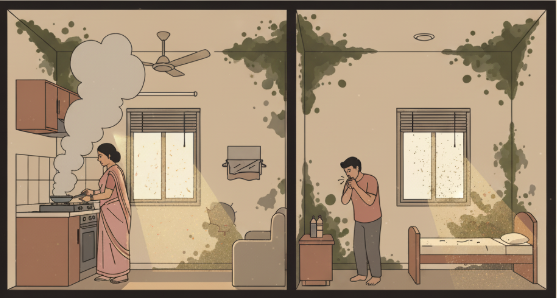
AI-generated illustration of ventilation and air quality monitoring.
Health Benefits of Proper Ventilation
Good ventilation improves respiratory health, reduces allergy and asthma symptoms, enhances sleep, and supports cognitive performance. Vulnerable groups like children, the elderly, and those with pre-existing conditions benefit most.
Conclusion
Optimizing home ventilation—through natural or mechanical methods—ensures cleaner air, healthier living, and improved comfort. By controlling pollutants, humidity, and oxygen levels, homeowners can maintain safe and breathable indoor environments year-round.