
Managing Indoor Air Quality in a Changing Climate
With climate change driving higher temperatures, extreme weather, and rising pollution, indoor air quality (IAQ) faces new health challenges. Protecting indoor air is now more critical than ever for homes, offices, and schools.
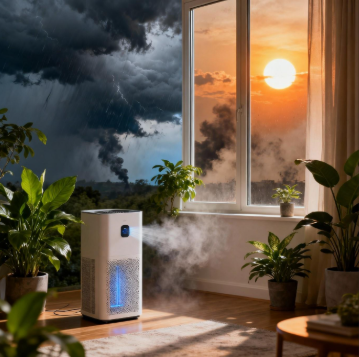
AI-generated illustration of indoor air quality management.
The Climate-IAQ Connection️
Climate change worsens indoor air by allowing outdoor pollutants like wildfire smoke, dust, and ozone to infiltrate buildings. Higher humidity and flooding promote mold and microbial growth, while longer pollen seasons increase allergens, posing risks for asthma, allergies, and respiratory illnesses.

AI-generated illustration of natural indoor air quality management.
Why IAQ Matters More Than Ever?
People spend ~90% of their time indoors, making IAQ a major health factor. Poor indoor air linked to climate change increases exposure to pollutants and allergens, affecting children, elderly, and those with chronic conditions.
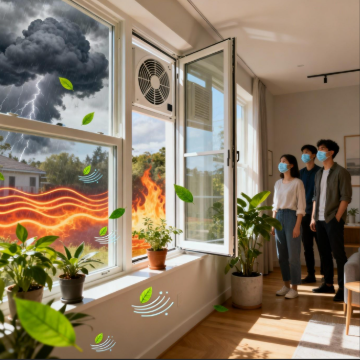
AI-generated illustration of indoor air quality management strategies.
Effective IAQ Strategies in a Changing Climate
1. Source Control
Minimize indoor pollutants by avoiding tobacco smoke, VOCs, and combustion emissions. Use low-emission materials and control humidity to prevent mold and dust mites.
2. Ventilation and Filtration
Balanced ventilation is key. During high outdoor pollution events, filtered air systems protect indoor spaces. HEPA filters, UVGI, and smart HVAC solutions remove particles, viruses, and VOCs effectively.
3. Smart Monitoring
Continuous IAQ monitoring of PM2.5, CO2, VOCs, temperature, and humidity allows proactive interventions. AI and IoT systems can predict poor air events and automatically adjust filtration and ventilation.
4. Climate-Responsive Building Design
Improved insulation, moisture barriers, and climate-resilient materials enhance indoor air. Designs that allow safe natural ventilation and decentralized air cleaning improve IAQ in extreme weather.
5. Policy and Awareness
Regulations and public awareness are evolving. Guidelines now demand continuous IAQ monitoring, proactive mitigation, and education to ensure safe indoor environments.
Conclusion
Climate change complicates indoor air quality, increasing pollutants, allergens, and health risks. A proactive approach—combining smart technology, source control, ventilation, filtration, and adaptive building design—ensures healthier, resilient indoor spaces.
Clean indoor air is no longer optional—it’s essential for health in a changing climate.