
AQI 2025: What India’s Metro Cities Can Expect?
Air pollution remains a major health threat in India, especially in metro cities. The Air Quality Index (AQI) measures pollution levels and associated health risks. In 2025, residents of Delhi, Mumbai, Bengaluru, Chennai, and Pune need to understand expected AQI trends, key pollutants, and ongoing mitigation efforts.
AI-generated illustration of AQI in India’s metros.
Major Pollutants Affecting AQI
- PM2.5 & PM10: From combustion, construction, and industry; penetrate lungs causing respiratory issues.
- Nitrogen Dioxide (NO2): Vehicle exhaust contributes to smog and respiratory problems.
- Sulfur Dioxide (SO2): From coal and industries; aggravates asthma.
- Ozone (O3): Secondary pollutant formed by sunlight; worsens respiratory health.
Factors Driving AQI in 2025
- Seasonal Inversions: Winter traps pollutants, worsening AQI in Delhi & northern cities.
- Crop Stubble Burning: Pollutants from Punjab, Haryana, UP affect Delhi & NCR.
- Vehicular Emissions: Rising traffic in metros increases pollution.
- Industrial Activity & Construction: Major contributors to particulate matter and SO2.
- Weather: Rain improves AQI temporarily; dry spells worsen pollution.
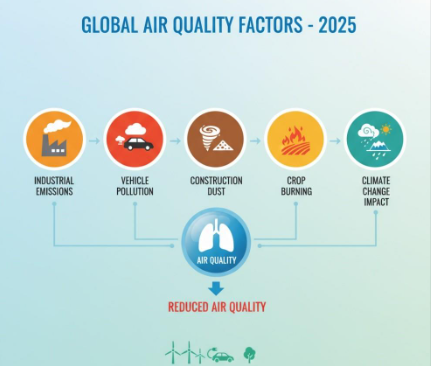
AI-generated illustration of pollution factors in Indian metros.
Steps to Improve Metro Air Quality
- National Clean Air Programme (NCAP): Reduces particulate pollution by 20–30% with stricter norms.
- Graded Response Action Plan (GRAP): Limits activities on poor AQI days.
- Cleaner Fuels: Promoting PNG and LPG for vehicles and cooking.
- Public Transport Upgrades: Metro and bus expansions reduce private vehicle use.
- Awareness Campaigns: Educating citizens to adopt pollution-reducing practices.
What Residents Should Expect ?
Delhi and NCR may continue facing hazardous AQI days, especially in winter. Other metros will experience moderate air quality with occasional pollution spikes. Vulnerable populations—children, elderly, and respiratory patients—should use air purifiers, masks, and limit outdoor exposure on poor AQI days.
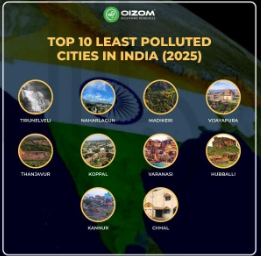
Source - OIZOM
Conclusion
AQI trends in India’s metro cities in 2025 will depend on pollution-control measures, enforcement, and public awareness. NCAP initiatives and community action provide hope for cleaner air. Staying informed and adopting sustainable practices is key to safeguarding urban health and improving air quality.